Teach Toddlers Colors & Numbers With Simple Daily Games

How to teach a toddler colors and numbers?
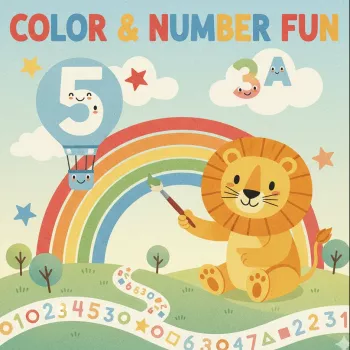
Teaching colors and numbers works best when it’s playful, short, and built into what your toddler already loves to do. Instead of “lessons,” aim for tiny moments throughout the day: naming colors while getting dressed, counting snacks at the table, or sorting toys during cleanup. Repetition is key, but variety keeps it fun.
Start with a few, then grow
Pick 2–3 colors (like red, blue, yellow) and 1–3 numbers first. Use the same words consistently and point to real objects as you say them. Once your toddler recognizes those reliably, add the next set. This approach prevents overwhelm and helps your child feel successful.
Use everyday routines as practice
Daily life is full of built-in opportunities. Count steps as you walk, count fingers during handwashing, or ask, “Can you hand me the blue cup?” at meals. During bath time, you can count toys floating in the water or group them by color. These quick interactions add up fast.
Make it hands-on with sorting and matching
Toddlers learn by touching and moving. Try simple games like sorting blocks by color, matching colored lids to containers, or lining up toys and counting them. If your toddler can’t count in order yet, that’s normal—start by counting aloud while they move each item (“One… two… three…”) to connect numbers with quantity.
Use songs, books, and playful questions
Short counting songs and color books reinforce learning without pressure. Ask easy, specific questions: “Where’s the green car?” or “How many bears are on this page?” If your toddler answers incorrectly, model the correct answer calmly and move on—confidence matters more than perfect accuracy.
Keep sessions short and celebrate effort
A few minutes at a time is plenty. Stop while your toddler is still interested, not after they’re frustrated. Praise trying (“You found the yellow one!”) and offer choices (“Do you want to count cars or blocks?”) to keep motivation high.
For more ideas and simple activities you can use right away, visit this complete guide on teaching a toddler colors and numbers.
FAQ
What age do toddlers usually learn to count and name colors?
Many toddlers begin naming a few colors and reciting number sequences between ages 2 and 3, but recognizing quantities and using colors correctly can take longer. Progress varies widely, so steady exposure through play is more important than hitting a specific timeline.









Leave a comment