Toddler Jealousy: Gentle Scripts That Stop Envy Fast
Gentle Ways to Handle Toddler Envy: Calm, Positive Steps That Reduce Jealousy
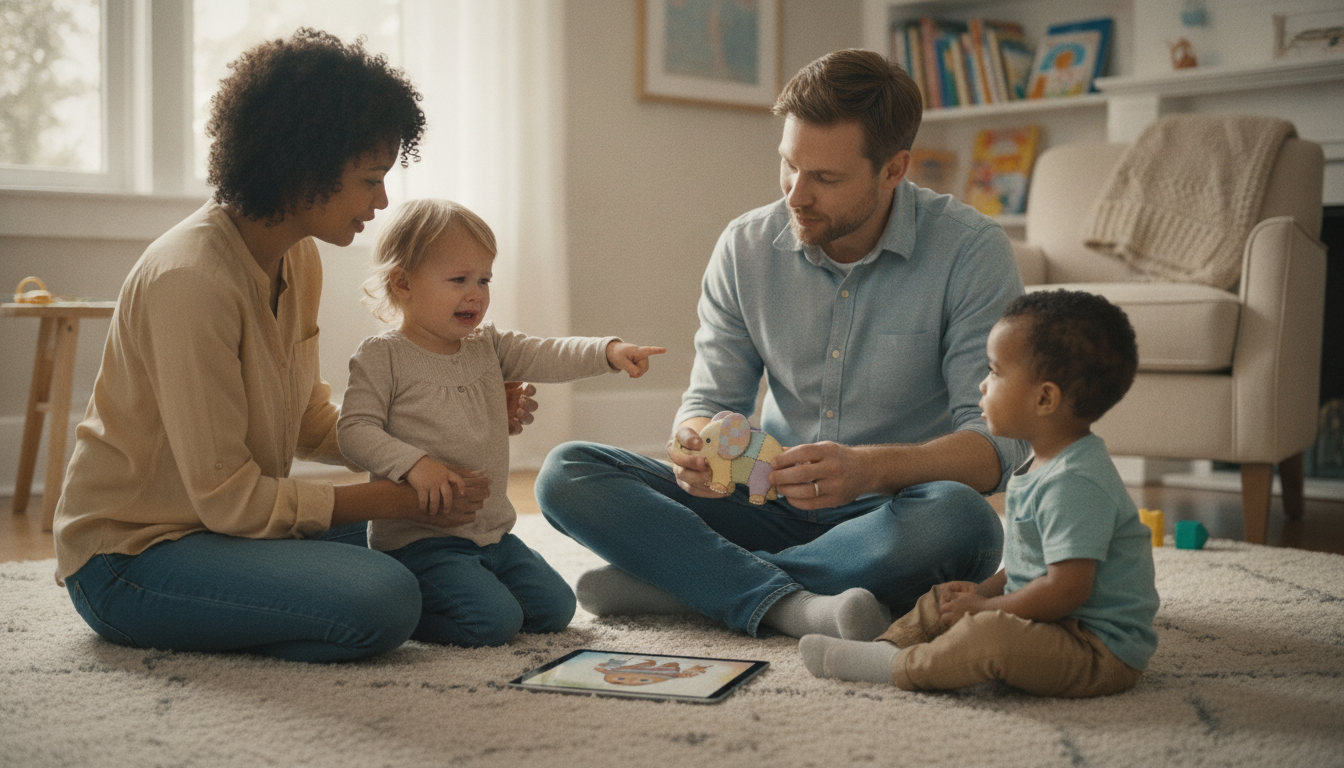
Toddler envy can show up as grabbing, whining, hitting, or sudden “mine!” moments—often right when attention shifts to a sibling, a friend, or even a parent’s phone. These reactions are common in early childhood and usually point to big feelings and limited skills for handling them. With a few consistent, gentle strategies, toddlers can learn safer ways to ask for connection, cope with comparisons, and rebuild trust after a rough moment.
What Toddler Envy Looks Like (and What It’s Really Saying)
Envy in toddlers rarely looks like quiet jealousy. It’s more often loud, fast, and physical—because toddler brains are still learning impulse control and language.
- Common signs: clinginess, regression (baby talk, accidents), interrupting, pushing siblings away, refusing to share, and sudden tantrums when others get attention.
- What it’s really saying: “I want what they have,” “I’m scared I’ll lose you,” or “I don’t know how to wait.”
- Why it happens quickly: a toddler’s body reacts faster than their words, so grabbing or hitting can happen before they can ask for help.
- When it spikes: transitions like a new sibling, daycare changes, visitors, holidays, family stress, or frequent parental distraction.
If you want a developmental snapshot of what’s typical at this age, resources from the CDC’s Positive Parenting Tips and Zero to Three can be reassuring and practical.
Set the Emotional Tone: Stay Close, Name Feelings, Keep Limits
The fastest way to reduce jealousy-driven behavior is to lead with calm connection—without removing boundaries. Toddlers “borrow” adult regulation before they can find their own.
- Start with regulation: get low, soften your voice, and slow your breathing. A calm adult body can interrupt a spiral.
- Name the feeling and the wish: “You wanted Mama to hold you. It’s hard to wait.”
- Hold a clear boundary: “I won’t let you hit. Hands are for gentle.”
- Use repeatable phrases: “My turn next,” “I need help,” “Hold me.”
When limits are steady and predictable, toddlers learn that big feelings are allowed, but unsafe behavior isn’t.
Prevent Jealousy Spirals With Predictable Connection
Many “jealousy” moments soften when toddlers feel confident they still have a place with you. The goal is small, dependable connection points throughout the day.
- Daily special time (5–10 minutes): full attention, phone out of sight, and your child leads the play. Short is fine—consistency is the magic.
- Tiny rituals: a goodbye script, bedtime check-in, or “first hug” after work builds security faster than occasional big gestures.
- Prepare for attention-sharing: “I’m feeding the baby for 3 minutes, then you choose a book.” (A clear timeline helps toddlers wait.)
- Catch cooperation: “You waited—thank you. Now it’s your turn.” This teaches that calm bids work.
Teach Replacement Skills for the Envy Moment
Replacement skills are what toddlers do instead of grabbing, screaming, or hitting. Teach them when calm, then coach them in the moment with brief prompts.
Quick responses for common jealousy triggers
| Trigger | What to say | What to do |
|---|---|---|
| Parent holding baby | “You want me. I’m feeding baby, then it’s cuddle time.” | Set a short timer; invite toddler to sit close; offer a small task (bring burp cloth). |
| Sibling gets praise | “You heard that and wanted some too.” | Give specific praise for toddler’s effort soon after; avoid comparing siblings. |
| Playdate sharing toys | “You’re not ready to share that.” | Offer a trade basket; set a turn with timer; keep special toys put away for playdates. |
| Toddler grabs/hits | “I won’t let you hit. You’re upset.” | Block gently; move child to safety; offer a reset: squeeze hands, stomp feet, breathe together. |
| Parent on phone | “You want my eyes. I’ll be done after this.” | Use a clear endpoint; give a small connection cue now (hand on shoulder, 10-second hug). |
What to Avoid (Even When It’s Tempting)
If Envy Is Focused on a New Baby or Sibling
For broader guidance on social-emotional development and positive discipline frameworks, HealthyChildren.org (American Academy of Pediatrics) is a trusted starting point.
A Simple Plan for the Hardest Moments
Extra Support for Calm, Positive Solutions
If having exact words ready helps you stay steady, Gentle Ways to Handle Toddler Envy (Parenting Ebook) lays out simple scripts, routines, and calm-limit steps you can reuse across common trigger moments. Using the same plan across caregivers often helps toddlers settle faster over time.
And for those weeks when the household is already running on empty (sleep, illness, and big feelings all at once), Baby’s First Cold Survival Checklist: Keep Calm & Cuddle On can make it easier to simplify care routines so you have more bandwidth for connection and co-regulation.
FAQ
Is jealousy normal in toddlers?
Yes. Jealousy is a common part of toddler development because attention feels vital, impulse control is still emerging, and words can’t always keep up with feelings—especially during transitions like a new sibling or daycare changes.
How can jealousy be handled without forcing sharing?
Use turns, timers, and consent-based boundaries while coaching simple language like “my turn next” and offering trades. Protect special toys during playdates and focus on safe, teachable steps rather than shaming.
What should be done if jealousy leads to hitting or biting?
Prioritize safety first by calmly blocking and separating, then name the feeling, hold the limit (“I won’t let you hurt”), and coach an alternative like squeezing a pillow or asking for help. If aggression is frequent, intense, or escalating, consider checking in with your pediatrician for individualized support.








Leave a comment