Busy Parent Healthy Eating Checklist (Real-Life Simple)
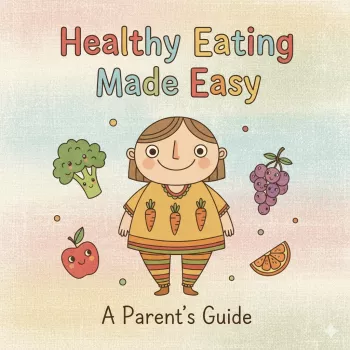
Healthy Eating Made Easy for Busy Parents: A Practical Checklist That Fits Real Life
Busy parenting days rarely come with extra time for meal planning. A simple checklist can turn healthy eating into a set of small, repeatable actions—so grocery trips, snacks, and weeknights feel less chaotic and more consistent. The goal isn’t perfect meals; it’s building a few “defaults” you can fall back on when schedules change, kids get picky, and energy runs low.
What “healthy eating” looks like on a busy parent schedule
Healthy eating in real life often looks boring—and that’s a good thing. Boring usually means repeatable, and repeatable means less stress.
- Aim for consistency over perfection: most meals can be “good enough” and still support energy, mood, and routines.
- Build meals around a few basics: protein + fiber-rich carbs + colorful produce + a satisfying fat.
- Reduce decision fatigue: repeat breakfasts, rotate 5–7 dinners, and keep a short snack list.
- Make the healthy choice the easy choice: place ready-to-eat options at eye level in the fridge and pantry.
- Choose the next best option when plans change: a balanced snack plate can count as a meal on hectic nights.
If you want a simple visual guide for balanced plates, two reliable references are USDA MyPlate and the Harvard Healthy Eating Plate.
The core checklist: small habits that add up
Think of this as a short list of “anchors.” When you hit a few anchors most days, the week starts to feel steadier—even if dinner is scrambled eggs twice.
- Add one produce item to every meal (fresh, frozen, or canned in water with low/no added salt).
- Include protein at breakfast (eggs, Greek yogurt, cottage cheese, tofu scramble, nut butter, beans).
- Pick one high-fiber staple per day (oats, whole-grain bread, brown rice, quinoa, beans, lentils).
- Pre-portion “grab-and-go” snacks twice a week (cheese sticks, nuts, hummus cups, fruit, veggies).
- Drink water with meals; keep a reusable bottle in the same spot every day.
- Use a 2-minute dinner rescue plan: protein + bagged salad/steam veggies + microwave grain.
- Plan one “backup” meal for nights when cooking doesn’t happen (rotisserie chicken, frozen veggies, microwavable rice, salsa).
Quick checklist you can post on the fridge
| Daily | 2–3x per week | Weekly |
|---|---|---|
| Add produce to meals | Prep a snack bin | Choose 5 dinners + 1 backup meal |
| Protein at breakfast | Cook a double batch (grain/protein) | Write a short grocery list by categories |
| Water with meals | Wash/chop one produce item | Restock staple pantry items |
If you’d rather not recreate your own sheet, Healthy Eating Made Easy: Checklist | Simple Tips for Eating Healthy as Busy Parent | Printable Digital Download is a quick, low-effort way to keep the basics visible during the week.
Fast building blocks: mix-and-match meal formulas
Formulas beat complicated plans. When you know the pattern, you can swap ingredients based on what’s already in the fridge.
- Breakfast formula: protein + fruit + fiber (example: Greek yogurt + berries + granola/oats).
- Lunch formula: leftovers or a “bowl” (grain + protein + veg + sauce) to avoid mid-day decisions.
- Dinner formula: sheet-pan, slow cooker, or 15-minute skillet meals with frozen vegetables.
- Snack formula: pair fiber + protein/fat (apple + peanut butter, crackers + cheese, hummus + carrots).
- Kid-friendly add-ons: offer a familiar “safe” food alongside one new or less-preferred item.
One practical trick: keep a “yes list” of sauces your household actually tolerates (even if it’s only two). It’s hard to eat the chicken-and-veggie bowl when the sauce is a battle.
A simple grocery system that takes 10 minutes
When shopping is rushed, a category-based list helps you avoid the “we have food but nothing to eat” problem.
Busy-parent grocery starter list (swap as needed)
| Category | Quick picks | No-cook/low-cook options |
|---|---|---|
| Protein | Eggs, chicken, tofu | Rotisserie chicken, canned beans, tuna |
| Produce | Apples, bananas, salad greens | Frozen mixed veg, bagged slaw |
| Grains | Oats, whole-grain bread | Microwavable rice/quinoa cups |
| Dairy/Alt | Greek yogurt, cheese | Shelf-stable milk alternatives |
| Pantry | Olive oil, salsa, nut butter | Hummus cups, trail mix |
| Freezer | Veg, fruit, dumplings | Frozen meal components (veg + protein) |
When time disappears: healthy “good enough” meals
For broader, practical nutrition guidance you can reference quickly, the CDC Nutrition hub is a helpful bookmark.
Printable checklist option for day-to-day consistency
To make the daily basics easier to stick with, you can use Healthy Eating Made Easy: Checklist | Simple Tips for Eating Healthy as Busy Parent | Printable Digital Download as a ready-to-use template.
And since real life includes sick days and disrupted sleep, pairing routines can help. If you want another quick-reference sheet for stressful weeks, Baby’s First Cold Survival Checklist: Keep Calm & Cuddle On | Printable Digital Download | How to Handle Baby’s First Cold Guide for Parents is a practical add-on for the parent “toolkit.”
FAQ
What are the simplest healthy eating habits to start with as a busy parent?
Start with three anchors: include protein at breakfast, add one produce item to each meal, and keep 2–3 grab-and-go snacks prepped. Hitting these consistently does more than chasing perfect meals.
How can healthy eating be affordable with kids?
Lean on budget staples like frozen/canned produce, beans and lentils, eggs, oats, and store-brand basics, then repeat a small set of easy meals. Having one backup meal planned can also cut down on expensive last-minute takeout.
How do you meal prep with no time?
Do “micro-prep” for 10 minutes: wash fruit, portion a couple snacks, cook one batch of grains, and pick one no-cook protein like rotisserie chicken or canned beans. Mix-and-match components through the week instead of prepping full meals.








Leave a comment