16L Touchless Induction Trash Can for Nursery & Bath
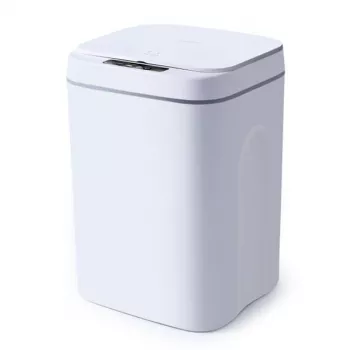
Automatic Touchless Intelligent Induction Trash Can – 16L
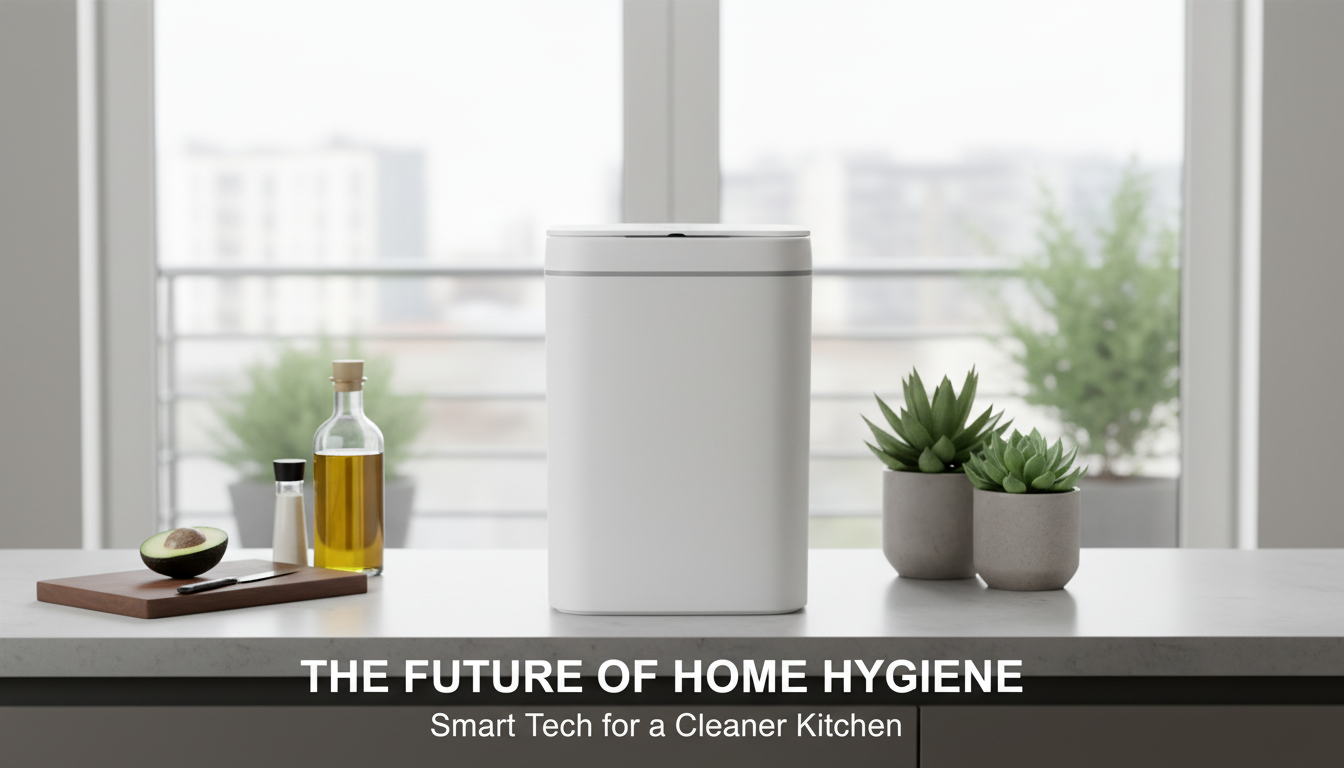
A touchless trash can helps keep everyday cleanup cleaner and simpler by opening the lid without needing to touch it. This 16L automatic induction bin is sized for busy rooms where hands are often full—nurseries, bathrooms, bedrooms, home offices, and small kitchens—while helping reduce contact with mess and odors. For households trying to tighten up routines (especially around diaper changes, handwashing, and quick toss-and-go cleanup), a lid that opens on approach can feel like a small upgrade that pays off all day.
If you’re shopping for a compact touchless option, see the Automatic Touchless Intelligent Induction Trash Can – 16L.
What a touchless induction trash can changes day to day
It’s easy to underestimate how often a trash lid becomes a “shared touchpoint.” In practice, touchless opening affects the little moments that add up—especially when you’re mid-task and don’t want to set anything down.
- Opens without hand contact to reduce the need to touch a shared surface during cleanup.
- Helps contain odor by keeping the lid closed between uses.
- Makes quick toss-and-go moments easier when holding a baby, wipes, or groceries.
- Supports cleaner habits in spaces where soap-and-water trips are less convenient (nursery, vanity, garage bench).
Touchless doesn’t replace hand hygiene, but it can reduce the number of surfaces you need to touch during messy steps. For practical guidance on everyday hand hygiene, the CDC’s Hand Hygiene Recommendations are a solid reference.
Best rooms and routines for a 16L bin
A 16L capacity is a sweet spot for single-room convenience: large enough to avoid constant bag changes, small enough to place where you actually need it. These are the spaces where touchless opening tends to be most noticeable.
- Nursery: diaper wrappers, wipes, cotton pads, and packaging—especially helpful during nighttime changes.
- Bathroom: tissues, cotton swabs, and personal-care waste with less lid handling after washing hands.
- Home office: snack wrappers and paper waste without interrupting workflow.
- Bedroom: discreet daily waste handling with a lid that stays closed when not in use.
- Small kitchen or pantry: light daily trash where full-size bins are unnecessary.
For vanity and bathroom routines, pairing a cleaner countertop setup with tools that store easily can also help reduce clutter. If you’re refreshing a sink/vanity station, the 14-Piece Professional Makeup Brush Set can be a handy add-on for organizing everyday grooming without scattering items across the counter.
Core features to look for (and how they affect real use)
Touchless bins can feel “almost magical” when they’re tuned well—and irritating when they’re not. A few practical details make the difference between smooth daily use and constant fiddling.
- Motion sensing range: should trigger reliably without requiring awkward hand placement; avoid overly sensitive triggers near walkways.
- Lid close timing: a brief open window supports quick disposal while limiting odor escape.
- Stable base and balanced lid: helps prevent tipping when used one-handed.
- Quiet operation: important for nurseries and late-night use.
- Easy liner fit: reduces time spent wrestling with bag edges and improves how well the lid closes.
- Smooth interior and rim design: helps minimize residue buildup and speeds up wipe-downs.
Also consider how you’ll empty it. If you’re tossing mostly dry waste (tissues, wrappers), maintenance is minimal. If you’ll toss wet items (wipes, cotton pads, food scraps), plan for more frequent emptying and occasional wipe-downs to keep odors from lingering.
Quick setup and daily use tips
Most “touchless problems” are actually placement or liner issues. A few small setup choices can make the bin feel more responsive and less fussy.
Specifications and practical expectations
At-a-glance details (what matters most in daily use)
| Detail | What it means for use |
|---|---|
| 16L capacity | Good for single-room needs; emptying frequency depends on diaper/household volume |
| Touchless induction lid | Reduces contact with the bin during messy tasks and quick tosses |
| Lid stays closed when idle | Helps with odor control and a cleaner-looking space |
| Best for nurseries/bathrooms/offices | Sized for convenience placement where full-size bins are too large |
If sustainability is part of your routine, a smaller single-room bin can also make it easier to separate waste types (for example, keeping a dedicated can for bathroom waste versus office paper). The EPA’s Reduce, Reuse, Recycle guidance offers practical ideas for managing household materials and waste.
Cleaning and maintenance that keeps it working well
If your nursery setup includes a changing station and a “sick day” kit, keeping a simple plan on hand can reduce last-minute scrambling. The Baby’s First Cold Survival Checklist: Keep Calm & Cuddle On is a quick digital download many parents keep bookmarked for reference.
Common issues and simple fixes
FAQ
Is a 16L touchless trash can big enough for diaper disposal?
Yes, 16L can work well for a nursery when it’s emptied regularly. Using small bags for diapers, tying off wet waste, and emptying more often in warm weather helps keep odors under control and prevents overfilling.
How do you keep a touchless trash can from opening by itself?
Place it away from high-traffic walkways, reflective surfaces, and direct sunlight, and make sure the sensor area stays clean. Also check that the liner isn’t draped over the rim, which can interfere with the lid and trigger the sensor.
How often should it be cleaned?
A quick wipe-down about once a week works for many rooms, with more frequent wipe-downs for bathrooms and nurseries. Clean spills immediately, and keep the rim and sensor window clean to maintain responsiveness and reduce odors.







Leave a comment