Kids’ Cooking Checklist: Safe Tasks & Family Fun
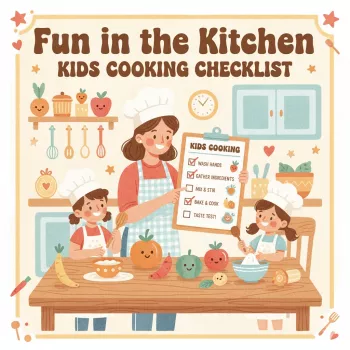
Fun in the Kitchen: A Kids’ Cooking Checklist for Confident, Happy Helpers
Cooking with kids can be calmer, safer, and more fun when everyone knows what to do. A simple checklist turns kitchen time into a screen-free family activity that builds real skills—measuring, following steps, cleaning up, and teamwork—using child-friendly tasks that match a child’s age and comfort level.
Why a cooking checklist works for kids
Kids thrive when kitchen time feels predictable. A checklist helps turn “helping” into a clear sequence of small wins, rather than a whirlwind of scattered tasks.
- Creates clear expectations: children can see what comes next and what “done” looks like.
- Supports independence: kids can complete simple jobs without constant reminders.
- Builds life skills: sequencing, fine-motor practice, early math (measuring), and reading practice.
- Reduces mess and conflict: checklists encourage setup and cleanup, not just the “fun part.”
- Makes family routines easier: a repeatable plan for weeknights, weekends, and playdates.
Set up a kid-friendly cooking station
A well-set station prevents most kitchen chaos before it starts. The goal is a safe “home base” where kids can work comfortably and reach what they need without climbing, stretching, or grabbing from forbidden areas.
- Choose a stable standing spot: use a sturdy step stool or learning tower, positioned away from stove edges.
- Use kid-sized tools: small whisk, plastic measuring cups, butter knife, silicone spatula.
- Create a “yes zone”: one drawer/bin with allowed tools and pre-approved snacks/ingredients.
- Prep safety basics: hair tied back, hands washed, clean apron, and a damp towel for quick wipe-ups.
- Stage ingredients (mise en place): small bowls in the order you’ll use them so kids can focus on one step at a time.
Quick setup checklist for family cooking time
| Step | What to prepare | Kid’s job |
|---|---|---|
| Wash up | Soap, warm water, clean towel | Wash hands for 20 seconds; dry completely |
| Clear counters | Remove clutter; sanitize surface | Wipe counter with a damp cloth |
| Gather tools | Measuring tools, mixing bowl, tray | Collect items from the “yes zone” |
| Ingredient station | Pre-portioned ingredients in bowls | Line bowls up in recipe order |
| Cleanup plan | Trash bowl, compost cup, dish bin | Sort scraps; carry dishes to sink |
Kitchen safety rules kids can remember
Keep safety rules short, repeatable, and consistent. Post them near the checklist so they become part of the routine.
- Heat rule: the stove, oven, air fryer, and toaster are “grown-up only” unless specifically invited.
- Knife rule: start with butter knives and safe cutters; sharper knives are supervised only.
- Taste rule: ask before tasting; never lick fingers after touching raw eggs or raw flour.
- Hygiene rule: wash hands after touching raw meat/eggs, pets, or the trash.
- Body rule: walk—no running; keep handles turned inward; keep towels away from burners.
For food-safety basics that are easy to teach, the CDC’s “Clean, Separate, Cook, Chill” framework is a helpful reference: CDC — Food Safety. You can also review kitchen guidance from HealthyChildren.org (American Academy of Pediatrics).
Age-appropriate kitchen tasks (a simple skills ladder)
Think of cooking skills like building blocks: start with low-risk tasks that feel successful, then add new tools and responsibilities over time. When kids know exactly what they’re responsible for today, they’re more likely to stay focused—and less likely to drift toward the stove.
Child-friendly kitchen tasks by age (general guide)
| Age range | Great starter tasks | With close supervision |
|---|---|---|
| 2–3 | Wash produce, tear herbs/lettuce, pour pre-measured ingredients, stir cold mixtures | Spread soft foods with a butter knife, use cookie cutters |
| 4–5 | Measure dry ingredients, mash bananas/potatoes, peel easy items (mandarin), set the table | Crack eggs into a small bowl, use a small whisk |
| 6–8 | Read simple steps, grate cheese with a safe grater, use a salad spinner, shape dough | Use a peeler, cut soft foods with a kid-safe knife |
| 9–12 | Follow a full recipe, pack lunches, make simple sauces, plan a menu with help | Use a chef’s knife after training, handle stovetop with guidance |
Turning the checklist into a family activity (not a chore)
Printable checklist tips: how to use it week after week
A ready-to-print option for instant kitchen fun
If setting up your own system feels like one more thing, a ready-made printable can help you start tonight—no designing, no guessing which tasks fit. The Fun in the Kitchen Kids Cooking Checklist (Printable Digital Download) is designed for family cooking nights, rainy-day activities, classroom enrichment, and playdate hosting.
For families who love checklists for everyday routines, a second printable can be handy to keep on the fridge for the next “something’s going around” moment: Baby’s First Cold Survival Checklist (Printable Digital Download).
When you’re ready to level up food-safety habits with older kids, the USDA’s guidance can support your kitchen rules and temperature reminders: USDA FSIS — Cooking and Food Safety.
FAQ
What are safe kitchen tasks for toddlers and preschoolers?
Stick to no-heat, low-sharpness jobs like washing produce, tearing greens, stirring, pouring pre-measured ingredients, and decorating. Provide constant supervision, and avoid tasting anything that may include raw egg or raw flour.
How can kids help with dinner without slowing everything down?
Pre-portion ingredients, assign one clear job at a time, and use a checklist for setup and cleanup so helping doesn’t interrupt your flow. Choose quick recipes with short active steps, like wraps, smoothie bowls, or build-your-own tacos.
Should kids taste batter or dough while cooking?
Skip tasting mixtures that contain raw eggs or raw flour. Save “taste tests” for cooked foods, or use a safe-to-eat alternative when you want to sample along the way.








Leave a comment