Buy Second-Hand Baby Gear Safely: A Smart Checklist
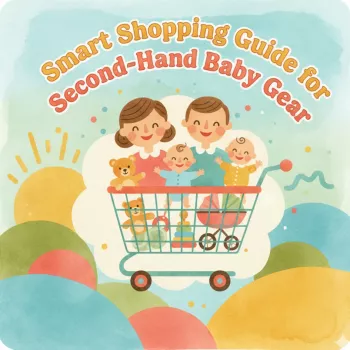
Smart Shopping Guide for Second-Hand Baby Gear: Save Money, Shop Safely, and Cut Waste
Second-hand baby gear can lower the cost of preparing for a new baby while keeping perfectly usable items in circulation. The key is knowing what to buy used, what to skip, how to check safety and cleanliness, and how to spot real value. With a simple plan and a few fast safety checks, second-hand shopping becomes a repeatable, low-stress way to build a functional baby setup without overbuying.
Why second-hand baby gear is worth considering
Babies outgrow many items faster than most families expect—swings, carriers, bassinets, and even high chairs can see only a short season of daily use. That means gently used gear is often available in excellent condition, especially in local parent groups, community sales, and online marketplaces.
Buying used can also protect your budget for essentials that are smarter to buy new when history matters (like a car seat with unknown crash history) or when hygiene and wear are difficult to assess (like crib mattresses). Just as importantly, second-hand shopping reduces waste and packaging by extending the life of well-made products already in circulation.
The biggest advantage comes from having a plan: it prevents “deal-driven” purchases and keeps your focus on items that actually support day-to-day routines.
A simple system for smart second-hand shopping
Use a routine-based approach so your shopping list matches real life. Start by writing a short needs list tied to daily categories: sleep, feeding, diapering, bathing, travel, and play. This keeps you from paying for “nice-to-haves” that don’t get used once the baby arrives.
- Set target price ranges before browsing. Check the current new retail price so you can recognize a true deal (and avoid “used but overpriced” listings).
- Prioritize local pickup for bulky items like strollers and high chairs when possible. Include time, fuel, and cleaning supplies in the true cost.
- Use a 24-hour pause rule on non-essentials. If you still want it tomorrow—and it fits your routines—then proceed.
- Keep a phone checklist for labels/model numbers, recall searches, missing parts, and cleaning needs so you don’t rely on memory in the moment.
What to buy second-hand vs. what to buy new
Many categories are excellent second-hand candidates when they meet current safety standards and pass a quick functional test. Often-great used finds include solid wood furniture (that meets today’s rules), bassinets with intact frames, baby carriers (verify straps and buckles), strollers (check brakes and folding locks), swings/bouncers (confirm stability and controls), high chairs (verify harness integrity), and toys that can be sanitized easily.
Some items are usually best purchased new: crib mattresses (hygiene and firmness), bottle nipples/pacifiers (wear and sanitation), and any item missing critical parts or with a questionable history. Car seats deserve special caution: only consider used if the full history is known (no crashes, not expired, complete labels/manual, no missing parts). When in doubt, buy new.
Quick buy decision guide
| Item type | Buy used if… | Buy new if… |
|---|---|---|
| Stroller | Brakes work, frame is straight, all straps/buckles function, folds/locks correctly | Frame is bent, wheels wobble badly, missing harness parts, safety lock fails |
| Crib/bed frame | Meets current safety rules, no drop-side, hardware included, sturdy joints | Drop-side design, missing hardware, cracks/splinters, unknown model |
| Baby carrier | No frayed straps, buckles click securely, fabric intact, correct sizing | Buckle damage, tears, missing instructions for safe fit |
| High chair | Stable base, harness intact, tray locks properly, easy to clean surfaces | Tips easily, harness missing, cracks near joints |
| Car seat | Known history, not expired, never in crash, all labels present, fits child and vehicle | Unknown history, expired, missing labels, any crash history |
Safety checks that matter (and take only minutes)
- Check recalls by model number and confirm any fixes were completed. Use the official CPSC Recalls database.
- Test all moving parts: brakes, locks, reclines, latches, buckles, height adjustments. They should move smoothly and hold securely.
- Inspect for damage: cracks, rust, warping, mold smell, sticky residue, frayed straps, and loose fasteners.
- Confirm completeness: screws, clips, trays, infant inserts, and manuals (often downloadable by model).
For car seats, verify expiration and usage guidance through NHTSA’s car seat resources and follow best practices for safe installation and use.
Cleaning and sanitizing without damaging materials
How to spot value and avoid “cheap but costly” buys
A practical digital guide for building a budget-friendly, low-waste baby setup
If you want a repeatable process you can use at thrift stores, yard sales, community groups, and online marketplaces, the Smart Shopping Guide for Second-Hand Baby Gear eBook organizes the whole approach into a step-by-step routine with quick checks, decision cues, and budget-focused planning.
To reduce stress when real life hits (runny noses, disrupted sleep, and “what do we do now?” moments), pair your savings plan with a simple at-home reference like the Baby’s First Cold Survival Checklist (printable download) so your home setup supports your routines beyond shopping day.
FAQ
Is it safe to buy second-hand baby gear?
Yes, when you verify labels and model information, check recalls, confirm all parts function, and avoid higher-risk categories with unknown history (especially car seats). A quick inspection and recall check can prevent most common problems.
What baby items should not be bought used?
Common skip-or-buy-new items include crib mattresses, bottle nipples/pacifiers, and any gear missing labels, parts, or a verifiable history. Car seats are also best purchased new when the full history can’t be confirmed.
How can second-hand baby gear be cleaned properly?
Follow manufacturer care instructions when available, wash removable covers, clean hard surfaces with mild soap, disinfect when appropriate, rinse thoroughly, and fully dry everything to prevent mildew and lingering odors.






Leave a comment