Calm Sensory Overload in Kids: Triggers, Signs, Steps
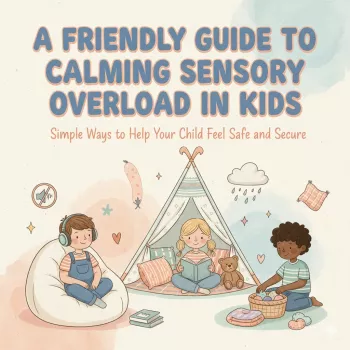
Quiet the Storm: A Friendly Guide to Calming Sensory Overload in Kids
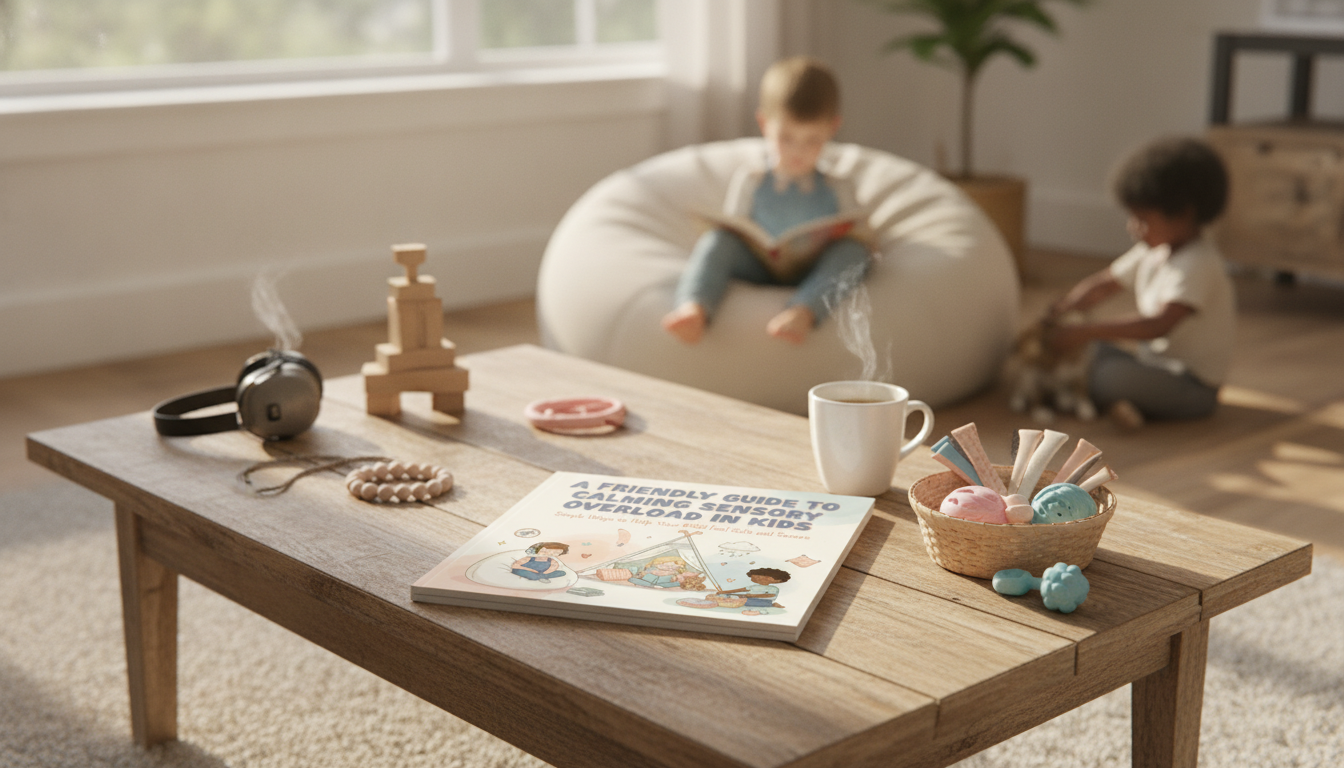
Sensory overload can show up fast: sudden tears, irritability, shutdown, or a “can’t handle one more thing” reaction to noise, lights, clothing, crowds, or transitions. When it happens, kids aren’t being difficult on purpose—their nervous system is essentially sounding an alarm. The most helpful approach is practical and calm: spot early signals, reduce triggers, and teach soothing skills when your child is already regulated. If you’d like a simple plan you can follow again and again, Quiet the Storm: A Friendly Guide to Calming Sensory Overload in Kids (ebook) pulls these steps into a supportive routine.
What sensory overload can look like (and why it happens)
Sensory overload often builds in layers. A child might be fine with one challenge, but several inputs at once—plus hunger or fatigue—can push them past their coping limit.
Common triggers
- Loud or layered noise (cafeterias, parties, multiple people talking)
- Bright or flickering lights (stores, screens, gyms)
- Scratchy fabrics, seams, socks, tags, tight waistbands
- Strong smells (cleaning products, perfume)
- Busy visual spaces (clutter, crowded aisles)
- Unexpected touch (bumping in line, sibling grabbing)
- Hunger, thirst, fatigue, illness
- Big transitions (leaving the park, starting school, switching tasks)
Common signs
- Covering ears/eyes, squinting, hiding
- Fleeing the room, refusing to move forward, bolting
- Meltdowns, sudden irritability, rigid behavior
- Complaints of nausea, headache, tummy pain
- “Spacing out,” going silent, avoiding eye contact
- Refusing certain clothes/foods, sudden aggression or tearfulness
Overload is a nervous-system response, not misbehavior. In the moment, the goal isn’t to “teach a lesson”—it’s to reduce sensory input and restore safety and a sense of control. For more on the difference between meltdowns and behavioral tantrums, see the Child Mind Institute’s guidance: About tantrums and meltdowns.
Quick signals and helpful responses
| Early signal | What it might mean | Try this first |
|---|---|---|
| Fidgeting, pacing, clenching fists | Building stress; body seeking regulation | Offer a movement break (wall push-ups, animal walk, carry books), or a fidget tool |
| Covering ears/complaining about noise | Auditory input feels painful or “too much” | Move to a quieter spot; consider headphones/ear defenders; lower competing sounds |
| Refusing clothes/labels/socks | Tactile irritation is overwhelming | Switch to soft/tagless options; let the child choose between two outfits |
| Crying, yelling, or bolting | Overload has peaked; brain is in survival mode | Reduce demands, validate feelings, guide to a calm-down space, use minimal words |
| Shutting down, going quiet, avoiding eye contact | Freeze response; child may need time and fewer inputs | Dim lights, reduce talking, offer water, sit nearby without pressure |
A simple “calm-first” response plan during a meltdown
When overload peaks, your job is to be the “borrowed nervous system” until your child’s body settles. Think: less input, fewer words, more safety.
Build a sensory-friendly home routine that prevents overload
When clothing textures are a frequent trigger, comfort-first wardrobe choices can reduce daily friction. A soft layer that feels “safe” can also help with transitions and public outings; some families like having a dependable option such as the Adidas Men’s Grey Hoodie Sweatshirt available as a cozy top layer (especially for older kids/teens who prefer hooded coverage).
Teach kids calming skills when they’re already calm
For additional child development and emotional wellness resources, the American Academy of Pediatrics’ parent site is a solid starting point: HealthyChildren.org.
Quiet the Storm ebook: what it includes and who it helps
If you’re tired of guessing which strategy to try first, Quiet the Storm (ebook) organizes the process into clear steps—so you can respond consistently at home, communicate patterns to school, and build a plan that fits your child’s temperament.
| Format | Best for | Time to use | Price |
|---|---|---|---|
| Digital ebook | Caregivers of kids with sensory sensitivity or frequent overwhelm | Quick reference during planning + deeper reading when calm | $4.99 |
Families juggling overwhelm plus everyday illnesses may also like a quick, printable reference for stressful “sick days”: Baby’s First Cold Survival Checklist: Keep Calm & Cuddle On (printable download).
When to seek extra support
- Reach out if overload is frequent, escalating, or interfering with school, sleep, eating, or family life.
- Consider discussing patterns with a pediatrician; ask about occupational therapy (sensory strategies), behavioral support, or evaluation if developmental concerns exist. The CDC’s child development resources can help you track milestones and questions to bring to appointments: CDC — Child Development.
- Seek urgent help if there is risk of serious harm, or if a child talks about wanting to hurt themselves.
FAQ
How can sensory overload be calmed quickly?
Reduce input first: move to a quieter space, dim lights, and use fewer words. Focus on safety and co-regulation (steady presence, slow breathing), then wait until calm returns before teaching or correcting.
What are common triggers for sensory overload in kids?
Common triggers include loud noise, bright lights, scratchy clothing, crowds, strong smells, and tough transitions, especially when combined with hunger or fatigue. Triggers are often cumulative and can look different from child to child.
Is sensory overload the same as a tantrum?
Not always. Sensory overload is an overwhelm/survival response, while a tantrum can be more goal-driven; reasoning and consequences usually work poorly during overload. Prevention, calming supports, and skill-building when calm tend to help most.









Leave a comment